Monolaurin Pellets vs Capsules: Which Is Better?
Summary
There’s no strong human research comparing monolaurin pellets vs capsules for results, so the “best” choice is usually the one you’ll take most consistently.¹
Capsules usually win for most people because they’re faster, cleaner, pre-measured, easy to track, and travel-friendly—so you’re less likely to skip days.⁴⁷
Pellets can be useful for flexibility, since they’re easier to split into smaller amounts and adjust gradually; pellets are also considered a multiparticulate form that can distribute differently in the GI tract.²³
Effectiveness differences aren’t proven, and a review notes the overall evidence for monolaurin as a human dietary supplement is limited—so keep expectations realistic and focus on routine.¹
Decision guide: choose capsules for simplicity + consistency; choose pellets if you strongly prefer micro-adjusting or don’t like swallowing capsules.⁴⁷
If you’re comparing monolaurin pellets vs capsules, you’re already doing what most smart buyers do: choosing the format you’ll actually stick with. And in real life, that’s the main thing- because consistency matters more than “the perfect format.”
Here’s the honest truth: there isn’t strong peer-reviewed human evidence showing monolaurin works as a dietary supplement for specific clinical outcomes, and there also aren’t quality trials comparing pellets vs capsules for results.¹ So the “better” format usually comes down to habit strength: what’s easiest to take daily, track, and repeat.
For most people? Monolaurin capsules usually win. (And yes—we’ll still cover when pellets make sense.)
What are monolaurin pellets?
Monolaurin pellets are small bead-like granules (a “multiparticulate” style). In the pharma world, multiparticulate pellets are known for distributing more evenly through the GI tract compared to a single tablet/capsule.²³ That’s a legitimate dosage-form concept—but it doesn’t automatically mean “better results” for a monolaurin supplement.
What pellets are best at: flexibility. You can split amounts easily and adjust your routine more precisely.
What are monolaurin capsules?
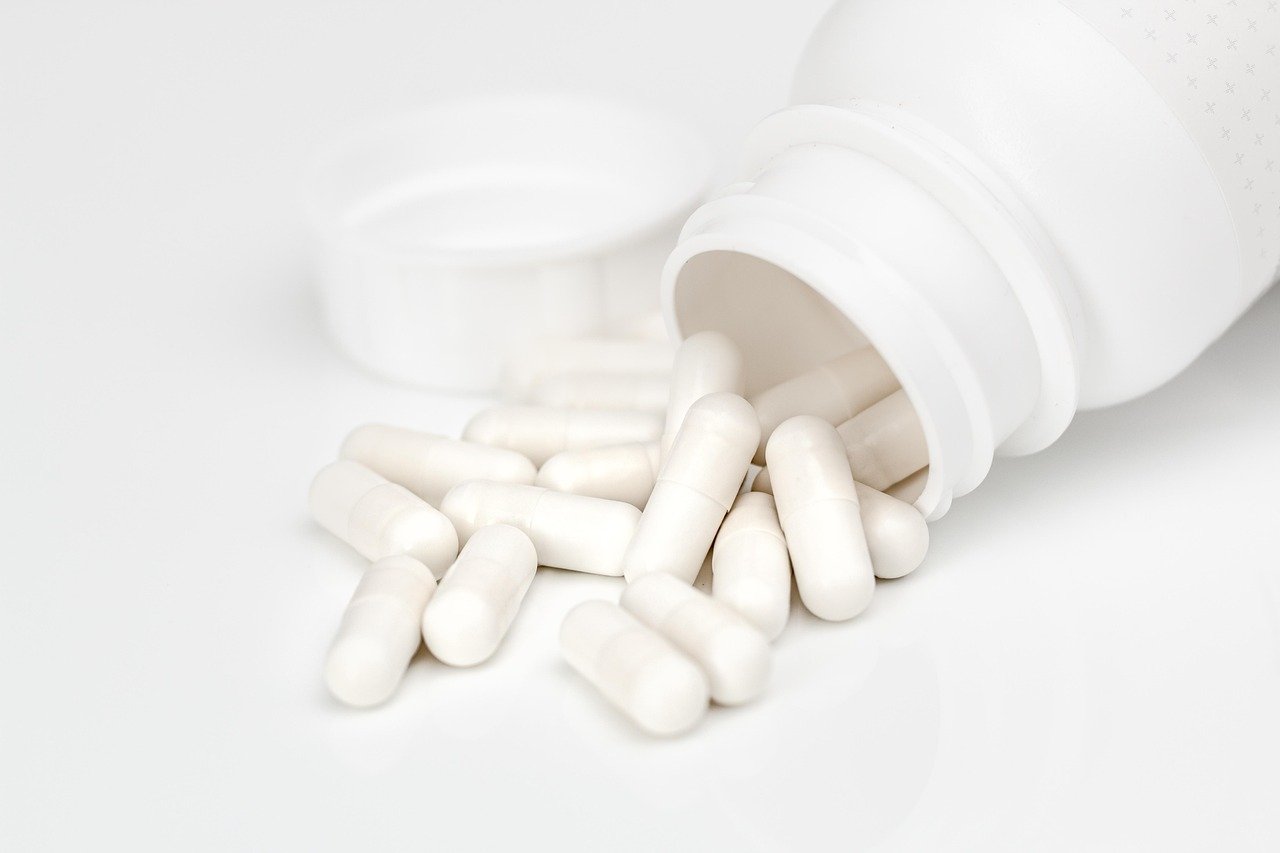
Monolaurin capsules are a pre-measured serving in a capsule shell. They’re built for simplicity:
easy to take
easy to track
easy to keep consistent
And that convenience matters because people tend to prefer solid oral forms like tablets/capsules for everyday use.⁴⁵
Quick comparison: monolaurin pellets vs capsules
Capsules (why they’re usually better)
Capsules are usually the best default if you want:
zero measuring
fast daily routine
easy tracking
travel-friendly convenience
fewer missed days
In studies of medication/formulation preferences, people often report that tablet-style oral forms are preferred for ease of use, and preference can influence whether people keep taking something consistently.⁴⁶
Pellets (where they can be useful)
Pellets can be a good fit if you:
want fine-tuned flexibility
prefer splitting into smaller amounts
dislike swallowing capsules
But pellets are also more work, and “more work” is where routines often die.
The real-world reason capsules win: adherence (aka “will you actually take it?”)
A supplement only fits your life if it’s easy enough to repeat. Research on oral dosage forms shows that acceptance/adherence can be influenced by formulation factors (like size, frequency, and dosage form).⁷ And across preference studies, solid oral forms often come out on top.⁴⁵
So even if pellets have technical advantages as multiparticulates,²³ capsules often win the only battle that matters for most people: daily follow-through.
What about “effectiveness”- do pellets work better than capsules?
There’s no strong evidence that pellets outperform capsules for supplement outcomes. And zooming out, a peer-reviewed literature review found no peer-reviewed evidence supporting monolaurin’s clinical use as a human dietary supplement (beyond being a nutrient); the limited human evidence it found was topical (not typical oral supplement use).¹
So with the evidence we have, it’s most responsible to say:
choose the format you’ll take consistently
prioritize quality and realistic expectations
keep your routine simple
Which should you choose? (Simple decision guide)
Choose monolaurin capsules if you want:
the easiest daily habit (no measuring)
consistency and convenience
better travel/“busy life” fit
simple tracking (you know what you took)
Choose monolaurin pellets if you want:
maximum flexibility to adjust amounts
a routine you can split across the day
an alternative if you don’t like capsules
If you’re still unsure:
If you want the most straightforward path, start with capsules. They’re usually the easiest to stay consistent with—especially once life gets busy.⁴⁷
FAQ: monolaurin pellets vs capsules
Are monolaurin pellets better than capsules?
Not automatically. Pellets offer flexibility; capsules offer convenience and consistency—which is often more important for real-world use.²⁴
Can I switch between pellets and capsules?
Yes. Many people use capsules for convenience and consider pellets only if they want extra flexibility.
Does one form absorb better?
Pellets (multiparticulates) can have pharmaceutical advantages in how they distribute in the GI tract,²³ but that doesn’t guarantee better supplement outcomes—especially since we don’t have strong comparative human data for monolaurin forms.¹
Compare formats and pick the one you’ll actually stick with
If your goal is a clean, consistent routine with the least effort, capsules are usually the smartest pick—and the easiest to maintain long-term.
Disclaimer: This article is for educational purposes only and not intended as medical advice. Always consult a qualified healthcare professional before making changes to your supplement or wellness routine.
References
Barker LA, Bakkum BW, Chapman C. The Clinical Use of Monolaurin as a Dietary Supplement: A Review of the Literature. J Chiropr Med. 2019. PubMed
Schmidt C, Bodmeier R. A multiparticulate drug-delivery system based on pellets… Int J Pharm. 2001. ScienceDirect
Handattu MS, et al. A Comprehensive Review on Pellets as a Dosage Form… 2021. PubMed
Limenh LW, et al. Patients’ Preference for Pharmaceutical Dosage Forms… 2024. PMC
MacKenzie-Smith L, et al. Patient Preference and Physician Perceptions of… 2018. PMC
Moges TA, et al. The impact of patients’ preference for pharmaceutical dosage forms… Sci Rep. 2024. Nature
Shariff ZB, et al. Does the Formulation of Oral Solid Dosage Forms Affect Acceptance and Adherence in Older People? (systematic review) 2020. ScienceDirect